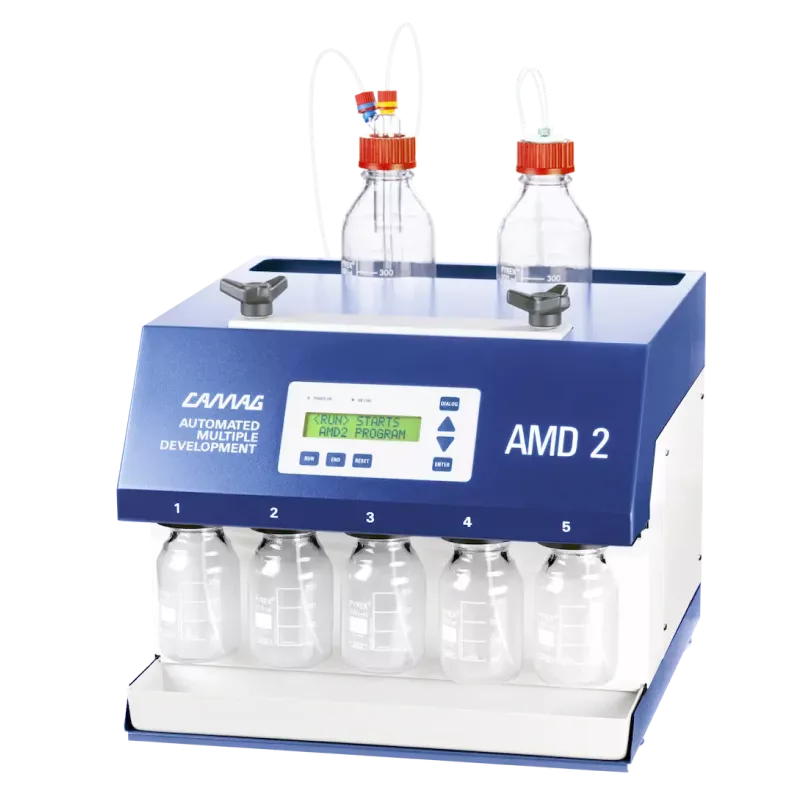
CAMAG® AMD 2 System Automated Multiple Development

The AMD 2 is a software-controlled HPTLC chamber for gradient development. It is used for difficult separation problems that cannot be solved by isocratic HPTLC.
The separation of complex samples is a challenging task for every chromatographic system, particularly when the sample components span a wide polarity range. The AMD procedure offers an excellent solution as it allows stepwise gradient elution over increasing separation distances. As a result acids, bases, neutral, hydrophilic, and lipophilic substances can be separated in a single AMD run. This makes AMD suitable for a variety of applications. The technique is frequently used in lipid analysis and in routine analysis of drinking water. Pigment formulations with a complex composition, resins as well as additives of mineral oil products are other typical applications of AMD analysis.
Key Features
- Multiple development
- Stepwise gradient elution over increasing separation distances
- Enhanced separation capacity
- HPTLC glass plates (20 x 10 cm), only
- Software-controlled with visionCATS
The principle of the AMD procedure
Tehničke specifikacije
Link
- The HPTLC plate is developed repeatedly in the same direction
- Each successive run extends over a longer solvent migration distance than the one before
- Between runs, the solvent is completely removed from the developing chamber and the layer is dried under vacuum
- Each successive run uses a solvent of lower elution strength than that of the one used before. In this way, a stepwise elution gradient is formed
- The combination of focusing effect and gradient elution results in extremely narrow bands. Their typical peak width is about 1 mm. This means that, with the available separation distance of 80 mm, up to 40 components can be completely resolved, i.e. with base line separation
- With visionCATS the AMD 2 can be IQ/OQ qualified and used in a cGMP environment. Operated with the mentioned software, the AMD 2 supports compliance with 21 CFR Part 11.
The AMD 2, like other software-controlled CAMAG instruments, communicates with visionCATS. The gradient, made from up to 5 solvent bottles, is defined by input into a table in visionCATS. Gradient and solvent migration distance for each run can be shown graphically for verification. Then all individual runs of the developing program are performed fully automatic and monitored by visionCATS.
Plate types: TLC/HPTLC glass plates 20 x 10 cm
Glass thickness 1 mm
Layer thickness up to 250 µm
Nitrogen or clean air pressure: 4.5–6 bar (60–90 PSI)
Nitrogen consumption: Approx. 1 L / gradient step
Gas volume of chamber: Approx. 550 mL
Environment temperature: 15° – 30° C
Solvent front detection: CCD, accuracy better than ± 1mm
Number of developing steps: Max. 99
Power connection: 100 V–240 V; 50/60 Hz
Dimensions (W x D x H): 430 x 500 x 360 mm (550 mm incl. bottles)
Weight: 31 kg
For more information please visit: camag amd 2
Povezani proizvodi
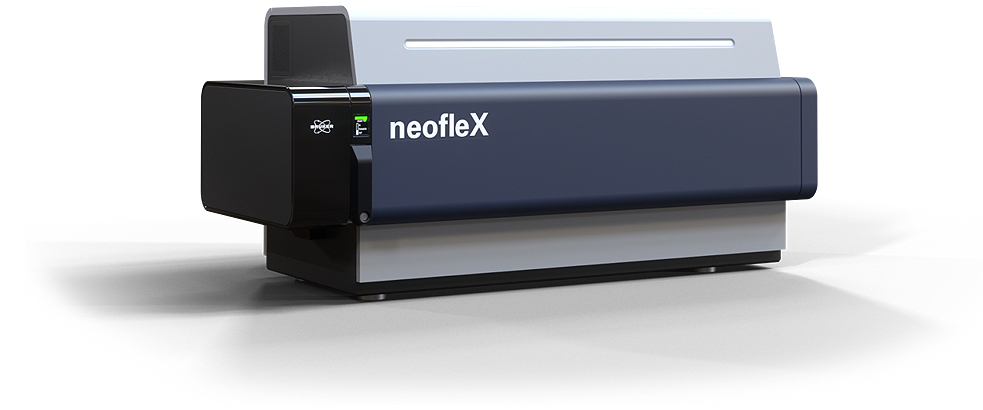
neofleX™
The neofleX™ Imaging Profiler empowers researchers to dig deeper into the molecular expression profiles of tissue, accelerating translational research. …
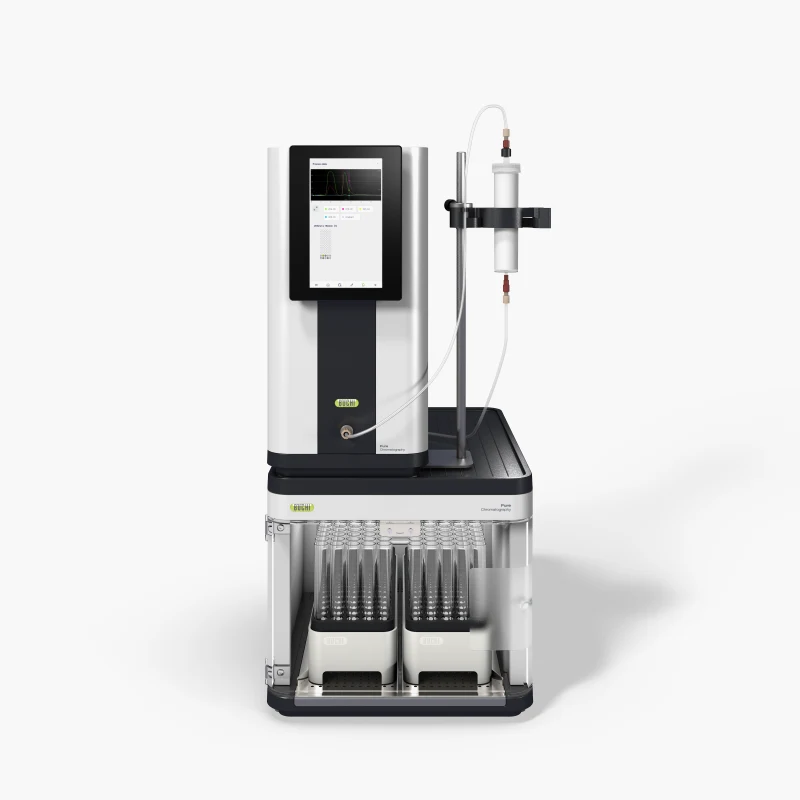
Pure Essential Flash Chromatography System
First steps to fast separations. The Pure Essential Flash Chromatography System focuses on the essentials for any basic flash…
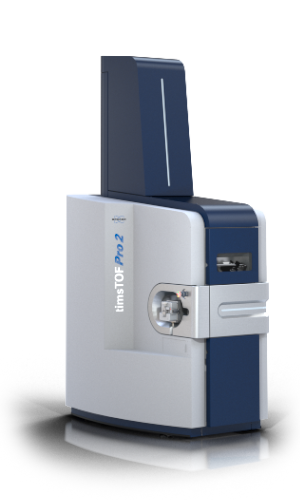
timsTOF Pro 2
The timsTOF Pro 2 comes with our innovative dual-TIMS analyzer that offers three times higher ion capacity. Simplified ion optics…
Image Analysis
Analysis does not end with microscopes, and LECO’s image analysis software offers solutions for high-performance metallurgical examination, research & development,…